

How Social Media Shapes Body Perception and Coping Strategies
Social media has revolutionized how we connect and communicate, but it has also become a mirror reflecting societal beauty standards. The curated images and filtered realities on platforms like Instagram and TikTok have a profound impact on body image, influencing self-perception and emotional well-being.
This article explores how social media shapes our understanding of body image and offers actionable coping strategies to foster resilience and self-compassion.

The Role of Social Media in Shaping Body Perception
Social media plays a significant role in shaping how people see themselves and their bodies. With its highly visual and curated nature, platforms like Instagram and TikTok often present an idealized version of reality. These portrayals make it harder for individuals to feel satisfied with their own appearance, as they are constantly bombarded with images that set unrealistic expectations.
Unrealistic Beauty Standards and Filters
Social media has normalized the use of filters and image editing tools that drastically alter appearances. These tools often promote unattainable beauty ideals, making it seem as though perfection is within reach if you simply try hard enough.
However, this curated perfection is often far removed from reality. Comparing oneself to these digitally enhanced images can erode self-confidence and lead to feelings of inadequacy. Over time, this repeated exposure can create a cycle of self-doubt and negative self-perception, leaving individuals struggling with their body image.
The Impact on Different Age Groups
Teenagers and young adults are particularly vulnerable to the pressures of social media, as these platforms often become a central part of their social lives during critical years of self-identity development.
However, the impact is not limited to young people. Across all demographics, social media amplifies societal beauty pressures, reinforcing the idea that one’s worth is tied to appearance. For adults, especially those already grappling with insecurities, these comparisons can worsen body dissatisfaction and heighten self-criticism.
The Psychological Effects of Social Media on Body Image
Beyond physical appearance, social media affects mental well-being by reinforcing harmful thought patterns. The constant exposure to idealized images of beauty can foster feelings of inadequacy and drive individuals to engage in coping mechanisms that may harm their health and self-esteem.
Negative Impacts of Comparison Culture
Comparison is a natural human tendency, but social media magnifies it to an unprecedented degree. Scrolling through feeds filled with carefully curated images of “perfect” lives and bodies often leads to unfavorable self-comparisons.
This constant measuring of oneself against others can create emotional exhaustion, feelings of failure, and a persistent sense of “not being enough.” Over time, this mental toll can contribute to anxiety and depression, particularly in those already struggling with self-image.
Fostering Shame and Body Dissatisfaction

For many individuals, the inability to meet the unrealistic standards perpetuated on social media leads to deep feelings of shame. This shame often becomes internalized, reinforcing the belief that their bodies are flawed or unworthy.
These feelings can push individuals toward harmful coping mechanisms, such as restrictive eating, binge eating, or over-exercising, as they strive to “fix” what they perceive as wrong. The cycle of shame and dissatisfaction not only affects physical health but also erodes self-esteem and a sense of connection to one’s body, making the journey toward self-acceptance even more challenging.
Strategies to Develop a Healthier Relationship with Social Media
Social media can be overwhelming, especially when it promotes unrealistic standards that affect how you see yourself. Making intentional changes to how you engage with these platforms can help you create a more positive and supportive experience.
Curate a Positive Feed
One way to create a healthier social media experience is to surround yourself with uplifting and empowering content. Follow accounts that share body-positive messages, advocate for mental health, or inspire self-compassion. These can serve as daily reminders that beauty and worth come in many forms, helping you feel less pressured to conform to societal expectations.
Equally important is letting go of accounts that make you feel inadequate. If certain pages leave you feeling worse about yourself, it’s okay to unfollow them. Social media should feel like a safe space, not a source of negativity. With thoughtful choices about who and what you follow, you can create an online environment that supports your well-being.
Set Boundaries with Social Media Usage
It’s easy to lose track of time while scrolling, but too much exposure to social media can heighten feelings of self-doubt and dissatisfaction. Setting limits on your screen time can help reduce these negative effects.
For instance, you might schedule specific times to check your favorite platforms and avoid using them during meals or before bed.
You can also try taking regular breaks, even just for a day or two, to step away and focus on real-life connections. These breaks can help you gain perspective, recharge emotionally, and return with a clearer mindset. Remember, social media is a tool—it doesn’t have to control your time or your emotions.
How to Build Strength Against Social Media's Negative Effects
The impact of social media goes beyond what’s on your screen. It can shape how you feel about yourself and how you approach challenges. Strengthening your inner confidence and self-compassion can help you counteract its negative influence.
Practice Self-Compassion
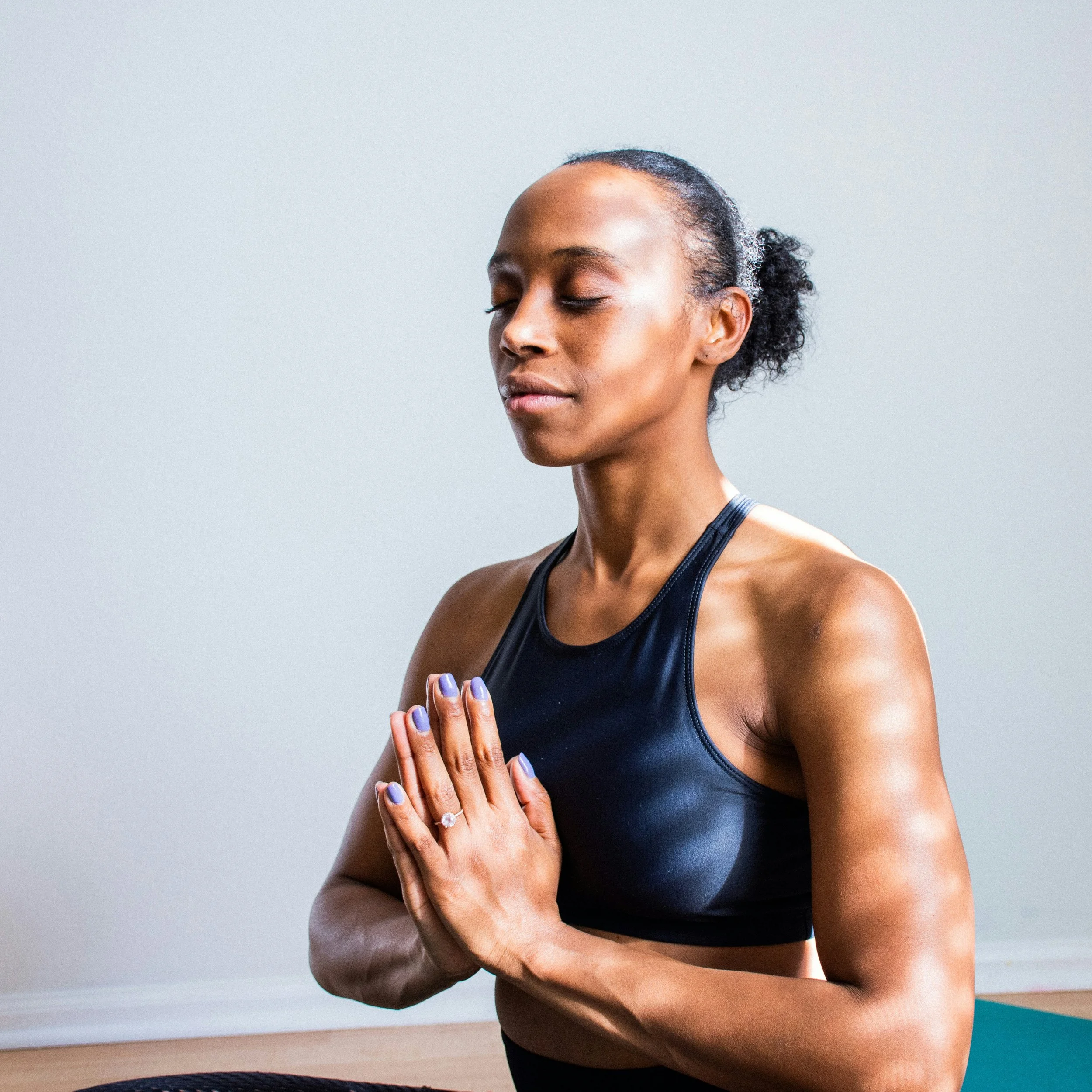
Being kind to yourself is one of the most powerful ways to combat the negative effects of social media. Instead of criticizing yourself when you don’t measure up to unrealistic ideals, try to recognize those thoughts for what they are—just thoughts, not facts. Techniques like journaling, practicing gratitude, or using affirmations can help you quiet the inner critic and focus on your true worth.
Mindfulness practices, like deep breathing or grounding exercises, can also be helpful. These allow you to pause and reconnect with yourself, shifting your focus away from comparison and back to what truly matters: your well-being and self-acceptance.
Focus on Internal Qualities Over Appearance
Your worth goes far beyond how you look. Celebrate the qualities that make you unique—your kindness, creativity, intelligence, or the ways you show up for the people you care about. Shifting your attention from external validation to internal values can help you feel more grounded and confident.
Take time to acknowledge your achievements and strengths, no matter how small they may seem. This practice helps you remember that there’s so much more to you than what social media may highlight. Learning to appreciate yourself for who you are, rather than how you look, can bring a sense of freedom and joy that no “like” or comment could ever match.
How Therapy Can Help Heal Body Image Issues
Therapy offers a safe and supportive environment for individuals struggling with body image concerns. It provides a space to explore underlying feelings, challenge negative thoughts, and develop healthier ways of relating to your body.
Explore Therapy Options for Body Image Support
Online therapy has made support more accessible than ever, allowing individuals to connect with specialists from the comfort of their own homes. This can be especially helpful for those struggling with eating disorders or body image concerns.
At Kindful Body, compassionate specialists guide clients through the process of understanding their struggles. With a focus on self-compassion, we help individuals untangle feelings of shame or inadequacy and replace them with a kinder, more accepting perspective. Therapy becomes a space to feel heard, understood, and empowered to create meaningful change.
Personalized Coping Plans
Every person’s relationship with their body is unique, which is why personalized coping plans are essential. Evidence-based practices, such as Cognitive Behavioral Therapy (CBT), help individuals identify and reframe the thought patterns that contribute to body dissatisfaction or emotional eating. This approach provides practical tools for building confidence and self-acceptance.
Intuitive Eating is another powerful strategy that encourages individuals to reconnect with their body’s natural cues, shifting focus away from rigid food rules and toward a more balanced relationship with eating. Additionally, community support groups and peer connections can play a vital role in recovery. Sharing experiences with others who understand can foster a sense of belonging and provide encouragement during challenging moments.
Therapy is not about fixing your body; it’s about healing the way you see and treat yourself. It’s a journey toward self-acceptance and living a fuller, more joyful life.
Conclusion: Rediscover Confidence and Compassion for Yourself
Addressing the impact of social media on body image can feel overwhelming, but with the right tools and support, a positive shift is possible. Therapy offers a compassionate space to explore your experiences and develop a healthier relationship with your body.
At Kindful Body, we provide experienced online therapy to help individuals heal from body image struggles and find a path to self-acceptance.
If you're ready to take the next step toward healing, we’re here to help. Contact us today to schedule a free consultation and start your journey toward a more confident and joyful life.
