


Eating Disorders
& Mental Health Blog
Schedule Your Free 15-Minute Consultation
Signs You Need Eating Disorder Therapy During the Quarantine
Everything in life seems to be canceled right now, but you can’t reschedule your eating disorder for another time. If anything, you might need support for your eating disorder recovery now more than ever.

Meet Ashley: Collaborative and Active Therapy to Help Clients Recover
Meet Ashley Ellis, one of our newest clinicians at Kindful Body! In this meet-and-greet, you’ll learn about how Ashley got started, her approach to therapy, and her thoughts on the importance of taking an active role in your journey through recovery.

Exciting News: Kindful Body is Officially a Virtual Group Practice!
We have some exciting news to share as we step into 2020. We are now officially an online group practice! This means that we will be able to serve individuals in need whether they are near or far, starting with those living in California and expanding as we see our clients’ needs expand.
A Guide to Online Counseling for Eating Disorders
Online counseling might be a good option to consider for eating disorder recovery. This guide will give you the things to consider, the questions to ask, and the tools to find an online counselor for eating disorder treatment.

19 Lists to Make in 2019 for Self-Compassion and Self-Care
Practicing self-compassion and self-care is one of the most beneficial ways we can heal from our past experiences, appreciate the present moment, and look to the future with open and curious eyes. Here are 19 lists to make for self-compassion and self-care for 2019. Keep these lists together in a journal or folder for reference to help you get through times of struggle, and know that there are no right or wrong ways to be kind to yourself.

Why You Need to Return to Your True Self Instead of “Finding Yourself”
As we reflect on past experiences and where we want to be in the future, we may reach a point where we feel disconnected from ourselves or our purpose. We may start feeling like we are broken and have lost the sense of who we are or once were, and begin a journey to “find ourselves” again. But here’s why we don’t actually need to “find” ourselves and how we can return to our true selves instead.
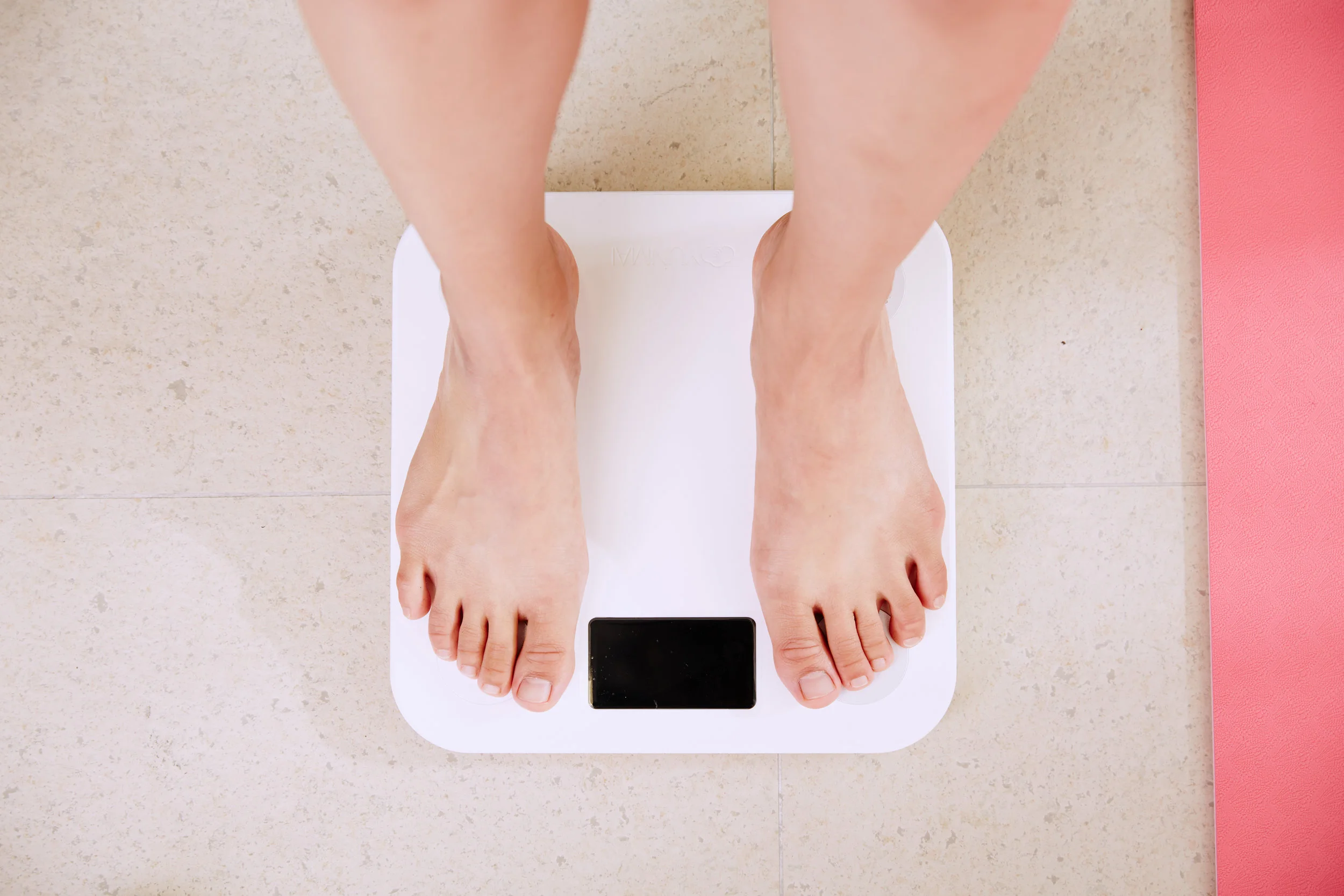
Make 2019 Your Year of Diet Culture Recovery: Smash Your Scale
As the New Year rolls around, and we hear of all the ways people are resolving to eat or exercise differently, there’s one object that is the biggest source of anxiety and terror: Your scale. But here’s the thing: a scale is just a scale. It just measures your relationship to gravity in one moment in time. To make 2019 the year of your recovery from diet culture, it’s time to smash your scale.

Do You Have a Fear of Compassion?
Compassion is widely accepted as something that’s beneficial for us, but it’s common to feel resistance in receiving compassion as well. You may not even realize that the resistance is actually a fear. Learn how fear of compassion presents itself, why it holds you back in recovery, and how to tell if you have fears of compassion.
Befriending Our Parts in Eating Disorder Recovery with Internal Family Systems
Internal Family Systems (IFS) revolves around the idea that all of us have many “parts” or inner personalities, and that each part has its own individual way of handling various situations to manage the system (ourselves) as a whole, often in well-meaning but self-destructive ways. Through the power of a processes called Self-leadership and showing compassionate curiosity toward our parts, we are able to relate to and understand what each of our parts really needs, so that we can heal as a whole.

Understanding the Power of Your Words
Words and the stories you tell yourself have the greatest power over the way you view yourself — above anyone or anything else — which is why you must take great care to nourish yourself with words and thoughts that serve you instead of harm you.

How Fierce Self-Compassion Can Support Self-Care
While many people associate self-compassion with its gentler and softer side, rest assured, self-compassion can be strong and fierce as well, protecting you as a mother bear protects her cub. Learn more about the importance of fierce compassion and how use it while practicing self-care.

Why Embodiment is Key for Eating Disorder Recovery
The body is one of our greatest sources of wisdom, but as our sense of embodiment becomes more disturbed, we start living, in a way, apart from our bodies, which in turn leads to harmful practices such as disordered eating. The key to eating disorder recovery is to rediscover your sense of embodiment. Because every time you listen to your body’s signals and respond appropriately, you build trust with your body strengthening confidence in yourself.
4 Ways Intuitive Eating is Self-Compassionate
We need to be kinder to ourselves, especially when it comes to what we eat and drink. We may think enforcing rules surrounding food is the way to maintain control, but really it only perpetuates our feelings of anxiety and inadequacy. Intuitive eating on the other hand involves listening to your body’s natural wisdom to guide your food and drink choices, and is a compassionate approach to nourishing your body.

5 Kinder Ways to Respond to Negative Thoughts About Yourself
Rather than allowing negative thoughts to bully you and affect how you feel about yourself, start practicing these five mindful ways to respond to your negative thoughts (and even befriend them to understand how they are trying to help you).

Three Ways to Practice Kindness on Your Road to Recovery
The road to recovery is usually a long, nonlinear one that can sometimes feel like it’s a never-ending journey. By having patience and making room in your life to practice kindness day by day when you’re experiencing difficulty as you recover, you will discover a different way to be with your emotional pain and to motivate yourself with compassion.

Make Peace With Your Body Through Intuitive Eating
We live in a culture that provides countless ways to question our worth and few ways to trust and love ourselves, including with our food. To overcome all these confusing messages about what and how much to eat, we can become intuitive eaters, which empowers you to listen to the natural cues of your body to determine when and what to eat, and enables you to make peace with food, your body, and yourself.

Cultivating Self-Compassion to Build a Positive Body Image
We’re often own own worst critics when it comes to our bodies, but showing ourselves compassion is proven to be effective at alleviating the experience of pain and suffering from negative body image and promotes self-acceptance.

Self-Compassion: The Inner Resource that Transforms Shame
Of the myriad of human emotions, shame is arguably the most distressing of them all. Learn how self-compassion can be used to minimize harmful feelings of shame.

Self-Compassion: The Antidote to Perfectionism
The practice of self-compassion can help ease and even eliminate the mental turmoil that perfection causes.

The Magical Connection Between Self-Acceptance and Belonging
Our need for love and belonging is as essential as the physiological and safety needs. To truly feel love and belonging, we must start with self-acceptance.