

The Role of Cultural Influences in Eating Disorder Recovery
Cultural influences play a significant role in shaping how individuals experience and recover from eating disorders. From societal beauty standards to deeply rooted stigmas around mental health, these factors can impact self-esteem, access to care, and the overall recovery journey.
Understanding and addressing these cultural elements leads to a more inclusive, compassionate and effective approach to eating disorder recovery.
Cultural Influences on Eating Disorders
Cultural values play a significant role in shaping individuals’ body image and perceptions of mental health. Understanding these influences is crucial for creating an effective and compassionate recovery process.
How Culture Shapes Body Image Perceptions
Societal beauty standards often dictate ideas of what is considered attractive or acceptable. These standards can negatively affect self-esteem, especially when individuals feel they do not meet these ideals. Media and social platforms amplify these expectations by presenting unrealistic portrayals of beauty, making comparisons inevitable and harmful.
Cultural Stigmas Around Mental Health and Eating Disorders
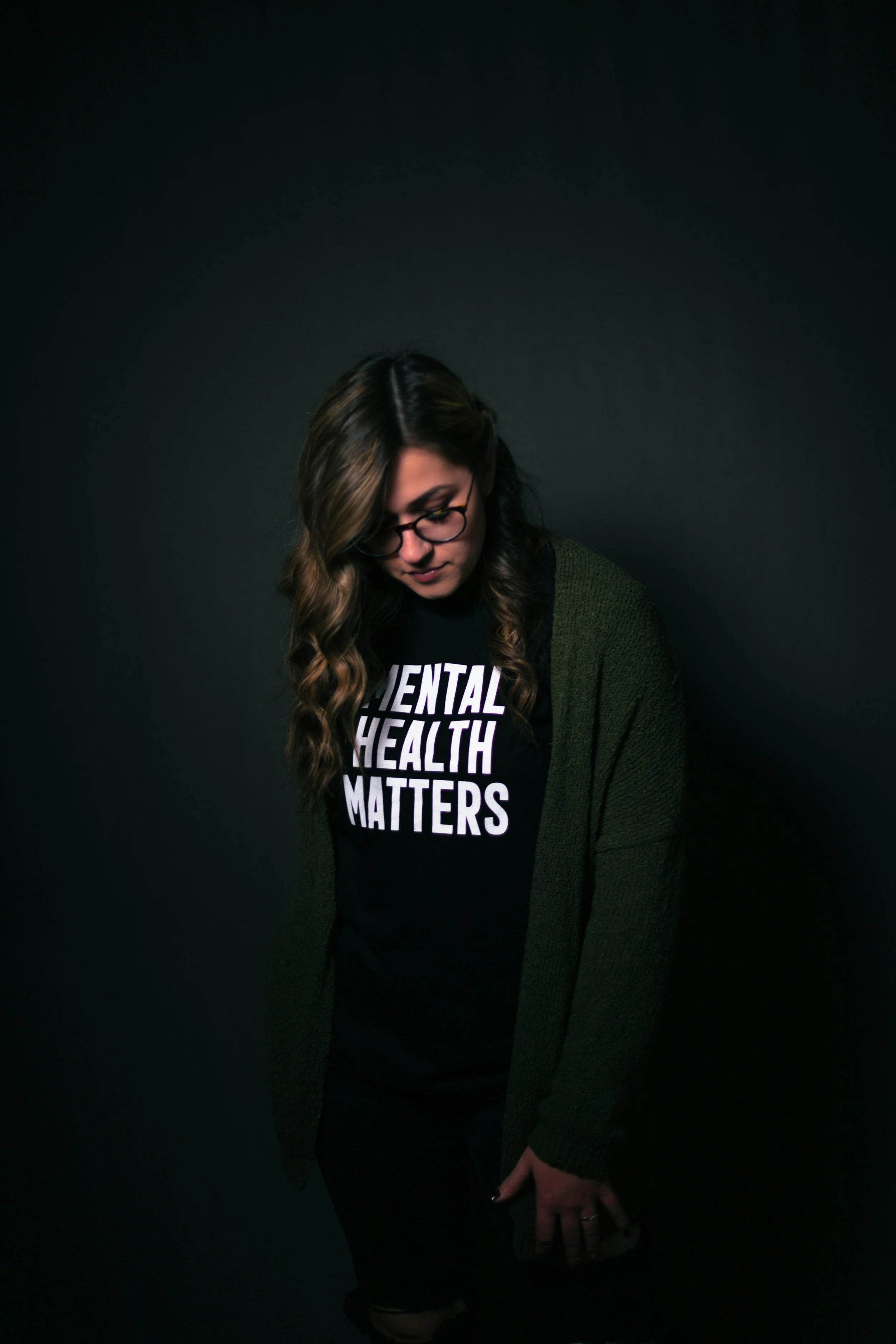
In many cultures, seeking help for mental health struggles is stigmatized. This stigma can lead to feelings of shame or fear of judgment in individuals struggling with their mental health, preventing them from accessing the support they need. Some cultural norms also discourage open conversations about mental health, creating barriers to recognizing and addressing eating disorders.
Cultural Diversity in Recovery Approaches
Recovery is more effective when it acknowledges and respects cultural diversity. Tailoring therapy to align with an individual’s cultural background fosters a sense of inclusion and understanding, making the process more meaningful.
Incorporate Cultural Practices in Therapy
Culturally sensitive therapy approaches can incorporate practices that resonate with the individual's background. For example, traditional mindfulness or healing rituals may provide additional comfort and support. These practices, when combined with evidence-based methods, create a more holistic recovery plan.
Address Language and Communication Barriers
Effective communication is essential for therapy. Providing services in multiple languages or ensuring access to bilingual therapists can make recovery more accessible. Therapists who understand cultural nuances are better equipped to build trust and foster open communication, which are vital components of the healing process.
Challenges Faced by Marginalized Communities
Marginalized groups often face additional hurdles when dealing with eating disorders. These challenges stem from systemic issues and cultural misunderstandings, which can complicate recovery and limit access to support.
Underrepresentation in Eating Disorder Research
Research on eating disorders has historically focused on white women, subsequently excluding minority groups. This lack of representation means that the unique experiences of individuals from marginalized racial, ethnic, and cultural backgrounds are frequently overlooked. The absence of diverse data can lead to misdiagnoses or treatments that fail to address the needs of these communities, leaving individuals feeling unseen and unsupported.
Intersectionality of Identity and Recovery
The recovery journey is shaped by the intersection of identity factors such as race, gender, and socioeconomic status. For example, individuals from lower-income backgrounds may struggle to afford treatment, while cultural stigmas might prevent others from seeking help. Recovery approaches must consider these layers of identity to effectively address the unique challenges faced by marginalized individuals.
The Importance of Family and Community Support
Recovery is not just an individual journey—it is deeply influenced by the support of family and community. These connections can play a crucial role in facilitating understanding, reducing stigma, and providing a strong foundation for healing.
Role of Family in Recovery Across Cultures
Family dynamics often shape how individuals approach eating disorder recovery. In some cultures, family involvement may provide essential emotional and practical support. However, cultural expectations can also create pressure, leading to misunderstandings about the recovery process. Open communication and tailored strategies can help families become active partners in treatment, ensuring their support aligns with the individual's needs.
Build Community Support Networks
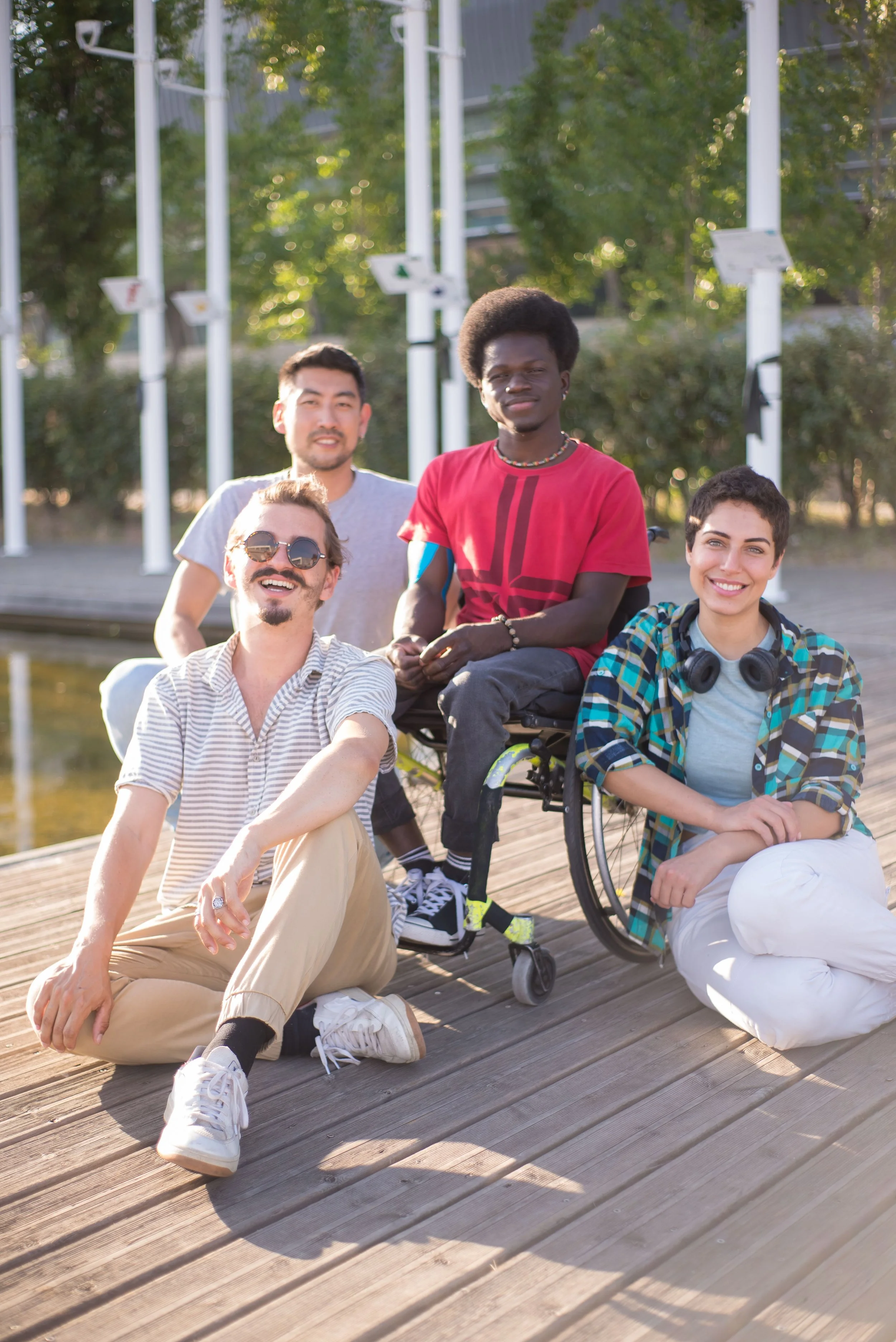
Community networks can offer an invaluable sense of belonging and understanding during recovery. Peer support groups, whether in person or online, provide spaces for individuals to share their experiences and gain encouragement from others who relate to their struggles. Additionally, cultural organizations can help bridge gaps in understanding by creating safe environments where individuals feel respected and supported in their recovery journey.
Steps Toward a Culturally Inclusive Recovery Framework
Creating a truly inclusive recovery framework means addressing cultural gaps in understanding and access to care. This requires ongoing efforts to improve therapist training and advocate for systemic changes that prioritize inclusivity and diversity.
Train Therapists in Cultural Competency
Therapists play a key role in guiding recovery, and understanding cultural influences is an essential part of their work. Ongoing education about cultural norms, beliefs, and values helps professionals provide care that feels relevant and respectful to diverse individuals.

Successful case studies often show how culturally competent approaches, such as integrating traditional practices or addressing specific community needs, lead to better outcomes. Therefore, it’s important for therapists to be equipped with the tools they need to create meaningful connections with clients from all backgrounds.
Advocate for Inclusive Policies and Resources
Policy changes can significantly impact accessibility to care. For many, barriers like financial constraints or lack of localized resources prevent them from seeking treatment. Inclusive policies aim to remove these obstacles, ensuring that recovery is within reach for everyone.
Additionally, diversity in eating disorder awareness campaigns helps to challenge stereotypes and increase understanding of how these issues affect various communities. When individuals see themselves represented in outreach efforts, they are more likely to feel seen and supported.
Encourage Community Participation in Recovery Solutions
To build a truly inclusive framework, it is vital to involve diverse communities in creating recovery solutions. Listening to the voices of those with lived experiences ensures that their needs are met in culturally relevant and sensitive ways.
Community-led initiatives, such as peer support networks or local advocacy groups, can help bridge gaps between clinical care and real-world challenges. This collaborative approach fosters trust and ensures that recovery pathways are aligned with the cultural and social realities of those they aim to support.
Conclusion: Embrace Healing Through Cultural Understanding
Recovery is a journey that becomes stronger when it is supported by understanding and compassion. Recognizing the cultural influences that shape eating disorders is a crucial step toward fostering inclusive and meaningful healing.
At Kindful Body, we believe in empowering individuals by embracing their unique cultural experiences and providing care that feels safe and supportive.
If you’re ready to take the next step toward recovery, our team of experienced therapists is here to help. Contact us or schedule a free consultation today, and let us guide you toward a life of balance and self-compassion.
