

Transitioning to Intuitive Eating Without Diet Mentality
Breaking free from the diet mentality and embracing intuitive eating can feel like an overwhelming journey, especially with societal pressures shaping how we view food and our bodies. However, intuitive eating offers a way to reconnect with your body’s natural signals and develop a balanced, non-judgmental relationship with food.
Whether you’re just starting this journey or looking to deepen your practice, this guide provides compassionate insights and actionable steps to help you transition with confidence.
The Diet Mentality and Its Impact
Diet mentality deeply influences how individuals view food, their bodies, and their self-worth. It is rooted in societal norms and perpetuated by diet culture, often leading to harmful thought patterns and behaviors. Recognizing and addressing these beliefs is a crucial step toward building a positive relationship with food.
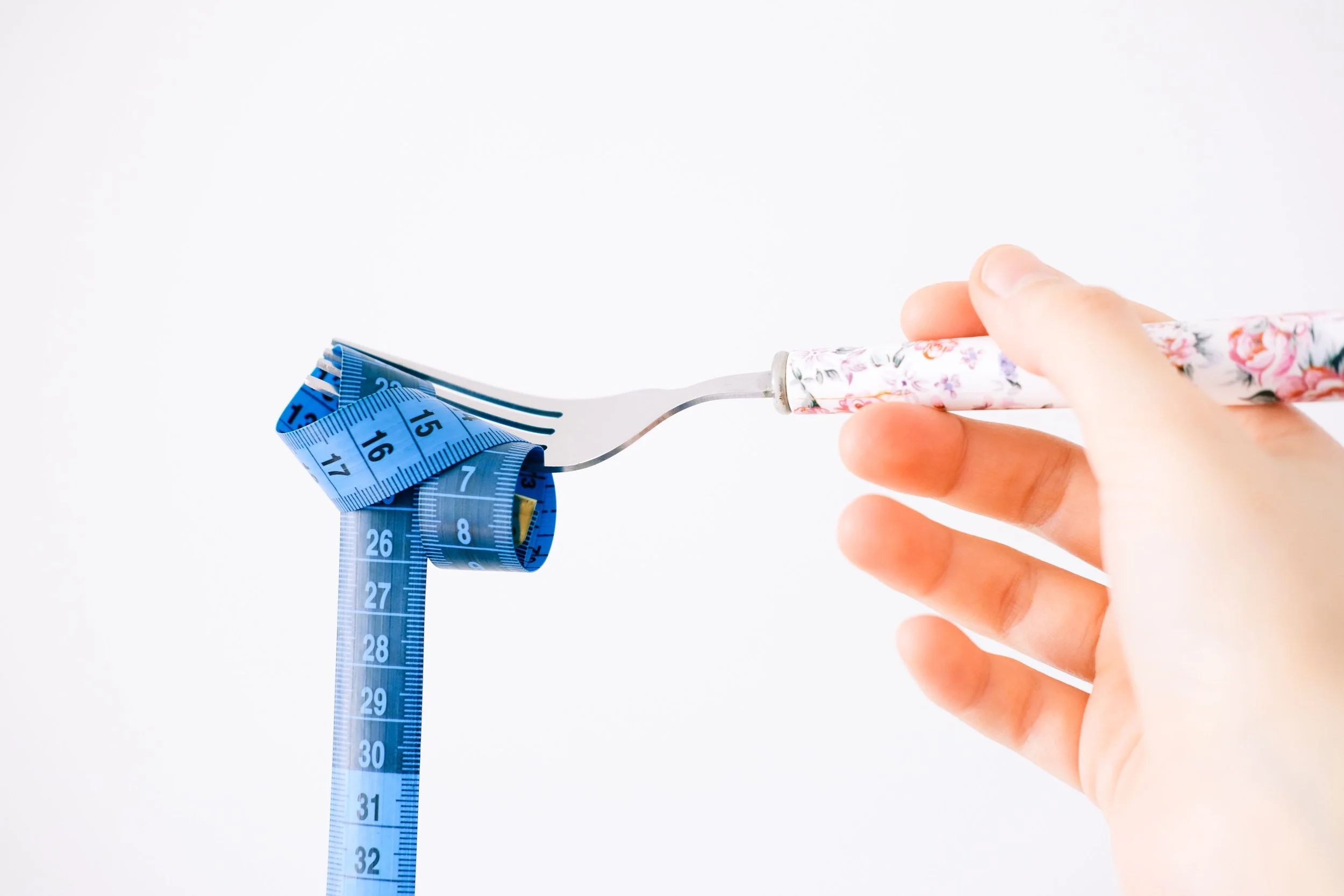
What Is Diet Mentality?
Diet mentality refers to a way of thinking that prioritizes restrictive eating and weight control over overall well-being. It often involves rigid food rules, such as categorizing foods as “good” or “bad,” and viewing food choices through a moral lens. These beliefs can lead to feelings of guilt or shame after eating certain foods, reinforcing a cycle of negative self-perception.
How Diet Mentality Harms Your Relationship with Food
Chronic dieting can negatively affect both emotional and physical health, often triggering emotional eating as a way to cope with the stress and restriction associated with dieting. Over time, this cycle can damage your relationship with food, making it harder to trust your body’s natural hunger cues and leaving you feeling guilty, ashamed, and disconnected from your needs.
The Principles of Intuitive Eating
Intuitive eating offers an alternative to diet mentality, encouraging a compassionate and body-aware approach to food. It helps individuals tune into their body’s signals and focus on what truly supports their well-being rather than external rules or pressures.
Reject the Diet Mentality
Letting go of dieting beliefs requires challenging ingrained food rules that prioritize weight or appearance over health and happiness. Diet culture’s pervasive influence can be seen in media, conversations, and even healthcare settings. Recognizing these messages and questioning their validity is a key step toward freeing yourself from their control.
Honor Your Hunger and Fullness
Reconnecting with your body’s natural hunger and fullness signals can help rebuild trust in your physical needs. Specialized nutrition counseling can be a valuable resource in this process, offering guidance on how to nourish your body while tuning into its cues. Physical hunger is your body’s way of signaling the need for nourishment, while emotional hunger often masks deeper feelings or stressors. Differentiating between these types of hunger allows you to respond to your needs in a way that feels balanced and supportive.
Unlearning Diet Rules and Embracing Flexibility
Letting go of restrictive food rules can feel overwhelming, especially when diet culture has been a significant part of your life. Learning to recognize and challenge these rules is an important step in creating a more balanced and compassionate approach to eating.

Recognize and Challenge Internalized Food Rules
Diet rules often stem from societal messages that label certain foods or eating behaviors as “right” or “wrong.” These beliefs can shape how you view food and your body, creating unnecessary pressure to follow unrealistic standards. Reflecting on these rules and questioning their validity is a powerful way to start letting them go.
For example, if you’ve avoided certain foods because they’re labeled as “bad,” ask yourself whether that belief serves your physical or emotional well-being. Gradually replacing rigid rules with more flexible, supportive thoughts helps you move away from diet mentality and toward a healthier relationship with food.
Develop a Non-Judgmental Approach to Food Choices
All foods can be part of a balanced diet, and no food is“good” or “bad.” Viewing food as morally neutral allows you to make choices based on what truly nourishes and satisfies your body and mind.
Practicing mindful eating can help you tune into your body’s needs without judgment. Paying attention to the flavors, textures, and sensations of eating helps you enjoy and be at peace with food while respecting your hunger and fullness cues.
Cultivate Self-Compassion During the Transition
Transitioning to intuitive eating can bring up difficult emotions, especially if fear of weight gain or self-doubt is present. Practicing self-compassion helps you navigate these feelings and stay focused on your journey toward healing.
Overcome Fear of Weight Gain
Concerns about weight gain often stem from societal pressure to look a certain way. These fears can create barriers to embracing intuitive eating fully. Shifting your focus from weight to overall well-being can help you see the bigger picture of your health and happiness. It’s important to remind yourself that your body deserves nourishment and care, no matter its size.
Addressing body image concerns with kindness and curiosity can also support your journey, allowing you to focus on feeling good in your own skin rather than trying to meet external expectations.
Practice Kindness Toward Yourself
Negative self-talk can be a significant obstacle as you begin to adopt intuitive eating, but it’s something you can work to change. Start by noticing the critical thoughts you have about yourself and reframing them with compassion.
For example, instead of saying, “I’m failing at this,” try reminding yourself, “I’m learning and growing, and that’s enough.” Building resilience against setbacks also involves celebrating small wins and giving yourself grace when things don’t go as planned. This mindset fosters a sense of self-acceptance and makes it easier to stay committed to your goals.
Embrace Patience and Progress
Transitioning to intuitive eating is a process that takes time, and embracing patience can help ease the pressure to achieve quick results. It’s important to remind yourself that unlearning diet culture and reconnecting with your body are significant changes that require consistent effort. Recognize that each step forward, no matter how small, is part of your growth.
Allow yourself to celebrate progress without judgment, even if it feels slow. Patience also involves forgiving yourself for moments where old habits resurface. Instead of seeing them as failures, view them as opportunities to learn and deepen your understanding of what your body truly needs. This compassionate mindset can help you stay motivated and committed to your journey.
Find Support and Maintaining Progress
The journey to intuitive eating can feel challenging, but you don’t have to face it alone. Having the right support system and creating habits that align with your goals can make all the difference in maintaining progress and staying motivated.
Seek Guidance from Professionals

Therapists and dietitians play a crucial role in helping individuals navigate intuitive eating, especially when unlearning long-held beliefs about food and body image. Experienced eating disorder therapy can provide the tools and understanding necessary to address deeper challenges tied to disordered eating patterns.
Finding a support network of professionals who use a non-judgmental, weight-inclusive approach ensures you feel heard and supported throughout your journey. If you’re unsure where to start, consider reaching out to organizations or practitioners who specialize in intuitive eating and disordered eating recovery.
Build Habits for Long-Term Success
Maintaining progress with intuitive eating involves creating daily habits that support your goals. Setting aside time to check in with your body’s hunger and fullness cues can strengthen your connection to its needs. It’s also helpful to approach each meal with curiosity, focusing on the experience of eating without judgment or pressure.
Staying motivated can be challenging at times, but reminding yourself of the reasons you started this journey—like finding peace with food and your body—can help you stay on track. Surrounding yourself with supportive individuals, whether friends, family, or a community, can also provide encouragement and accountability as you continue to grow.
Conclusion
Transitioning to intuitive eating is a journey of self-discovery and healing. As you unlearn diet rules and embrace a compassionate approach to food, remember that progress takes time. Surrounding yourself with supportive professionals and communities can make all the difference in maintaining this positive shift.
At Kindful Body, we’re here to support you every step of the way. Our expert therapists and dietitians specialize in helping individuals navigate the complexities of disordered eating and build healthier relationships with food and their bodies. If you’re ready to take the next step toward healing, contact us today to schedule a free consultation and learn about how we can help you thrive.
