

Using IFS Therapy to Heal Body Image Conflicts
Body image struggles can affect how we see ourselves, often causing emotional pain and low self-esteem. Internal Family Systems (IFS) therapy is a gentle and effective way to tackle these challenges. It helps you build a kinder relationship with your body by deepening the connection between you and your innermost thoughts and emotions.
In this blog, you’ll learn how IFS therapy can help heal body image struggles through self-compassion and self-understanding.
What are Body Image Conflicts?
Body image conflicts stem from various internal and external influences that shape how we perceive ourselves. These struggles can deeply impact one’s mental health and overall well-being, making it vital to understand their origins and effects.
The Roots of Body Image Struggles
Societal pressures, such as beauty standards portrayed in the media, can create unrealistic expectations about appearance. Additionally, personal experiences, such as family comments about one’s body, bullying, and traumatic events like neglect or abuse, may contribute to negative body image. These influences often leave individuals feeling inadequate or disconnected from their bodies.
Psychological and Emotional Impact
Body image conflicts can lead to feelings of shame, anxiety, and depression. They may also contribute to disordered eating behaviors as individuals try to manage these intense emotions. Low self-esteem often arises from these struggles, impacting not just one’s mental health but also relationships and daily life.

What is Internal Family Systems (IFS) Therapy?
IFS therapy offers a compassionate approach to understanding and addressing the internal struggles associated with body image conflicts. It focuses on recognizing and harmonizing different parts of oneself to promote healing and self-compassion.
Core Principles of IFS Therapy
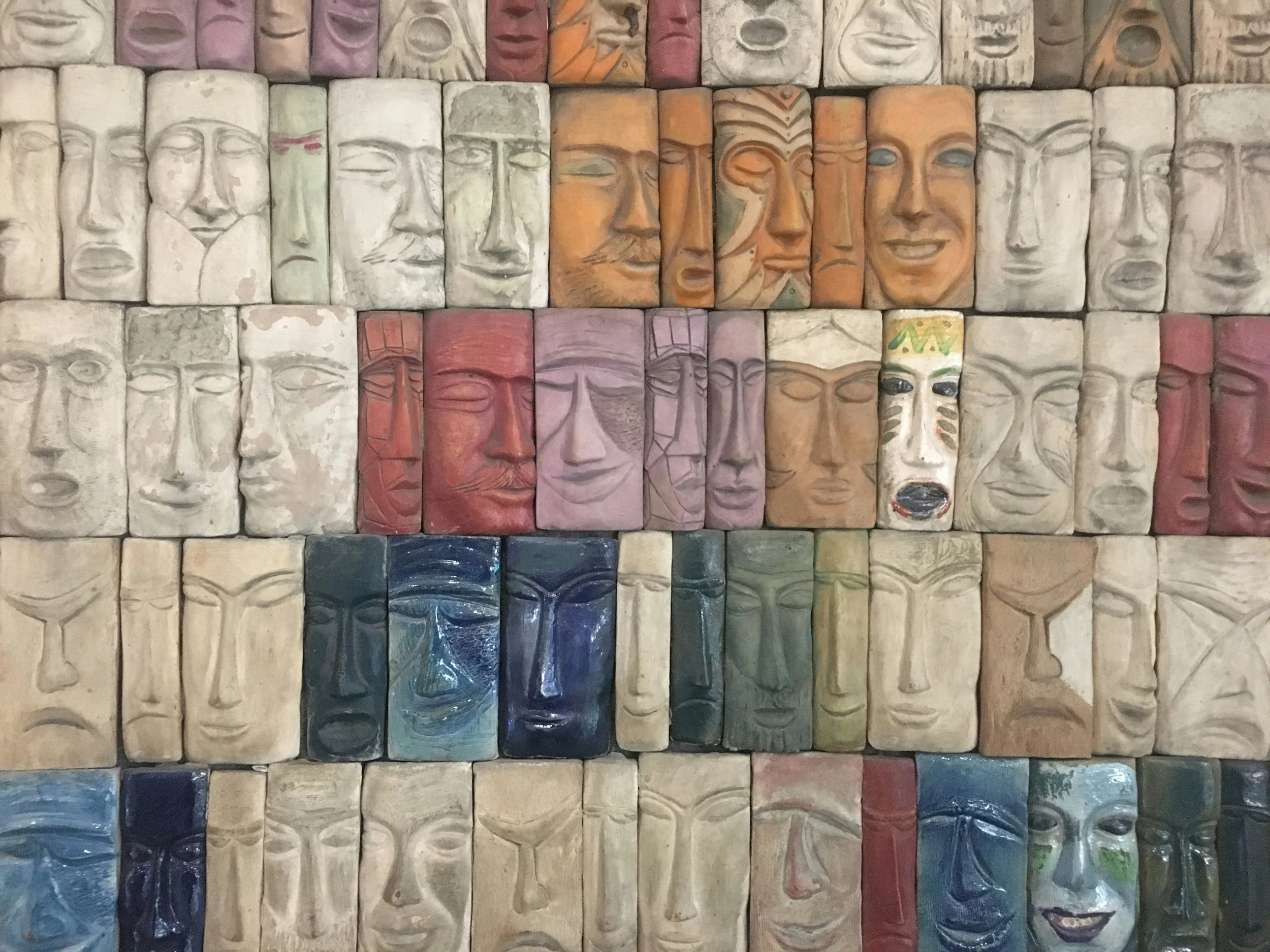
IFS therapy is built on the understanding that everyone has multiple internal "parts," each with its own role and perspective. Some parts may act as protectors, guarding against perceived threats, such as anxiety, while others may carry deep emotional pain or self-criticism that can benefit from anxiety therapy. For example, a critical part might constantly judge an individual’s appearance, while a protective part may encourage restrictive eating behaviors to feel in control.
The “Self” in IFS is the compassionate, calm, and curious core of every individual, capable of understanding and leading these parts toward harmony. As you befriend and work with these parts, you can address underlying pain and begin to rebuild a positive relationship with your body.
How IFS Differs from Traditional Therapies
What sets IFS therapy apart is its focus on internal relationships rather than external symptoms or behaviors. Unlike traditional therapies, which often target surface-level issues, IFS takes a deeper, more compassionate approach by addressing the underlying emotions and internal dynamics contributing to body image conflicts. Key differences include:
Focus on Internal Relationships: IFS emphasizes understanding the interaction between various "parts" within an individual, such as the critical part or the protective part, rather than just managing external behaviors.
Addressing Emotional Roots: Instead of solely targeting actions like overeating or body-checking, IFS seeks to uncover the emotional drivers behind these behaviors, helping individuals understand their purpose and origin.
Transforming Roles of Internal Parts: IFS works to shift the roles of critical or protective parts, guiding them to become more supportive and aligned with the individual's overall well-being.
Encouraging Self-Compassion: The therapy fosters non-judgmental awareness and self-compassion, helping individuals develop a kinder relationship with their bodies.
Thus, with a supportive internal system, IFS therapy empowers individuals to approach their body image with understanding and care and, over time, break free from cycles of self-criticism and shame.
The Connection Between IFS Therapy and Body Image
Body image conflicts often feel overwhelming, leaving individuals stuck in cycles of shame or self-criticism. Internal Family Systems (IFS) therapy offers a unique way to understand and address these struggles by exploring the internal dynamics that influence how we perceive and relate to our bodies.
Identifying Protective and Exiled Parts
Within IFS therapy, different “parts” of the self take on distinct roles to help individuals navigate emotional challenges. Protective parts may attempt to shield a person from perceived harm, such as societal judgment or emotional pain, by enforcing critical or restrictive behaviors. For instance, a protective part might criticize body appearance as a way to push for improvement or prevent rejection.
Exiled parts, on the other hand, often carry unresolved pain or trauma related to body image. These parts may stem from experiences like bullying, family pressure, or societal standards. Although these parts can feel burdensome, IFS therapy helps individuals recognize their intentions—often rooted in coping mechanisms—and invites understanding and healing.
Cultivating Compassionate Inner Dialogue
IFS therapy emphasizes self-compassion and understanding rather than judgment. It encourages individuals to engage in open dialogue with their critical and protective parts, fostering a sense of curiosity rather than blame.
For example, instead of resenting a part that criticizes body size, individuals are guided to explore what that part might be protecting them from. This process of compassionate dialogue not only soothes internal conflicts but also helps develop a more accepting relationship with one’s body.
How Can You Heal Body Image Conflicts with IFS

Healing body image conflicts through IFS and body image therapy involves creating harmony among internal parts and strengthening the 'Self' to lead with compassion and balance. IFS therapy provides actionable strategies to work through these conflicts and move toward self-acceptance.
Befriend Critical Parts
The inner critic often plays a significant role in body image struggles. Instead of silencing or battling this part, IFS encourages individuals to acknowledge its protective intentions. Strategies for working with the inner critic include:
Listening to its concerns without judgment.
Asking what it fears might happen if it doesn’t enforce its critical behavior.
Offering reassurance that the “Self” can take over its role in a more compassionate and effective way.
This approach transforms the inner critic from an adversary into a collaborator in the healing process.
Reconnect with the Self
The “Self” is central to IFS therapy, serving as a compassionate leader for all internal parts. Reconnecting with the Self involves practices that cultivate inner calm and clarity, such as mindfulness or guided meditation.
Grounding in the Self enables individuals to approach body image conflicts with understanding and strength. When the Self takes the lead, it creates a space where all parts feel heard, valued, and supported, fostering a deeper sense of body acceptance.
Create a Unified Internal System
A unified internal system is one where all parts work together in harmony rather than conflict. IFS therapy helps individuals integrate their protective and exiled parts into a supportive network, reducing feelings of shame and self-criticism. Steps to achieve this unity include:
Regularly checking in with internal parts to address their needs.
Encouraging collaboration among parts to align with the individual’s overall goals.
Celebrating progress and small victories in building a more balanced relationship with the body.
Through these steps, individuals can achieve long-term recovery, developing a sense of peace and resilience that extends beyond body image challenges.
Advantages of IFS Therapy for Body Image Healing
IFS therapy offers practical and lasting tools to address body image struggles with compassion and self-awareness.
Improved Emotional Regulation
IFS helps individuals understand and manage intense emotions tied to body image conflicts. This process fosters:
A calmer response to emotional triggers.
Reduced overwhelm from internal conflicts.
Greater kindness toward oneself during challenging moments.
Long-Term Resilience and Self-Acceptance
Through self-compassion, IFS helps individuals build resilience and embrace their bodies. Key benefits include:
Stronger connection to the “Self,” promoting inner balance.
Reduced self-criticism and shame.
Greater ability to appreciate and accept one’s body.
Start with realistic expectations for sustainable progress. This makes the healing journey more approachable and rewarding.
Conclusion
Healing body image conflicts is possible with the right tools and support. Internal Family Systems therapy empowers individuals to work with their internal parts, fostering resilience and self-compassion.
At Kindful Body, our skilled therapists are here to help you navigate your journey toward self-acceptance and balance.
To learn more about how we can support you, contact us to schedule a free consultation. Take the first step toward a more harmonious relationship with your body today.
