


Eating Disorders
& Mental Health Blog
Schedule Your Free 15-Minute Consultation

What is Food Noise, and How You Can Silence It?
What does food noise actually mean—and is it normal or something to be worried about? Understand this popular term and what it means for you.

What Exercise Bulimia Is and How to Start Your Healing Journey
Do you need to exercise or you feel consumed with guilt and shame? If so, healing (and much-needed relief) is possible.

CBT-E: How This Therapy Supports Your Long-Term Recovery
CBT-E is a powerful tool for eating disorder recovery. Learn more about how this therapy modality can help you heal.

Six Tips for Parents to Cultivate a Body-Positive Home
While many factors contribute to a person's body image, the home and family environment play an especially crucial role. Children largely develop their body image by observing their parents, unconsciously absorbing how they discuss their own and others' bodies, appearance, weight, and eating habits. Therefore, it's crucial for parents to be mindful of how they approach these topics, especially in front of their children.

Summer Body Image Survival Guide: 10 Tips for High School and College Students to Embrace Body Acceptance This Summer
While summer is often portrayed as a “fun” season full of excitement and activity, it can also worsen pre-existing body image issues in many high school and college students. The media’s pressure on girls and women specifically to slim down in order to achieve the “perfect summer body” is one reason for this.

Healing the Earth, Healing the Self: How the Two Are Connected and Why It Matters Now More Than Ever
Today marks Earth Day—a poignant reminder of our responsibility to care for our planet, especially in light of the escalating environmental crises brought on by human-caused climate change. Sponsored by Senator Gaylord Nelson, Earth Day was created in 1970 to thrust the U.S. government’s lack of environmental regulations into the national spotlight.

Internal Family Systems (IFS) Therapy Featured at Tri-State Eating Disorder Conference
Happening April 12th and 13th, this exclusive event presents a rare opportunity to glean insights from the pioneering mind behind Internal Family Systems (IFS) therapy, Dr. Richard (Dick) Schwartz. Recently featured on widely acclaimed author Glennon Doyle's popular podcast, We Can Do Hard Things, Dick guides Glennon through an exploration of her own internal system of parts, particularly those intertwined with her eating disorder. In a captivating two-part follow-up episode, he extends his guidance to Glennon's co-hosts, Abby Wambach and Amanda Doyle, as they embark on their own explorations of their internal parts.
Navigating Mental Health and Trauma: Talk Therapy vs. EMDR
Traditional talk therapy has long been the cornerstone of mental health treatment. Under the expansive umbrella of talk therapy lie numerous approaches, among them the popularly practiced cognitive behavioral therapy (CBT), dialectical behavior therapy (DBT), humanistic therapy, and psychodynamic therapy.
Five Ways You Can Fight Against Misogynistic Beauty Standards Today
In our latest blog post, we explored some of the underpinnings of our society's obsession with thinness, uncovering a reality more nuanced and insidious than a mere preference for a certain body type. Rather, our society’s idealization of thinness is embedded in our broader patriarchal culture, disproportionately affecting women—and intentionally so at that!

Team Discussion of the Month: Love Knows No Size
Valentine’s Day is upon us! Perhaps because our culture holds romantic love in such high esteem, typically above other forms of love (such as familial love and the love shared between friends), this very reminder of the upcoming holiday carries great significance for many—and not always in the holiday’s favor.

Black Eating Disorder Recovery and Anti-Diet Content Creators You Should Know: Part Two
If I were to ask you to conjure up an image of someone with an eating disorder, what would come to mind? For many of us, it’s an image of an emaciated, middle-class-or-higher white girl. Eating disorders, particularly anorexia nervosa, have long been viewed as a “skinny white girl” problem, at least predominantly.

Team Discussion of the Month: The Impact of Diet Culture on Families: A Look at Almond Moms
Content warning: This blog post discusses dieting, disordered eating, body image, and weight.
Ah, diet culture: that insidious, pervasive system of cultural myths that, in one way or another, tells us our health, character, and worth depend upon the fact of whether or not we are thin. Diet culture’s pervasiveness (and centuries-long history, which is rooted in white supremacy, healthism, and patriarchy) makes it so its pro-thin, anti-fat messages are difficult if not impossible to escape. It’s in the air we breathe.

Out With “Self-Improvement”: Making a Resolution to Face Your Trauma in the New Year
For many of us, the beginning of a new year is an energizing time. We embark on our New Year’s resolutions with the hope that this year will be the one where we become who we were always destined to be—the fitter, richer*, or otherwise “better” versions of ourselves that were lying dormant inside us all along, ready to be awakened. The underlying assumption is that it is only through the “bettering” of ourselves that we become worthwhile and whole.
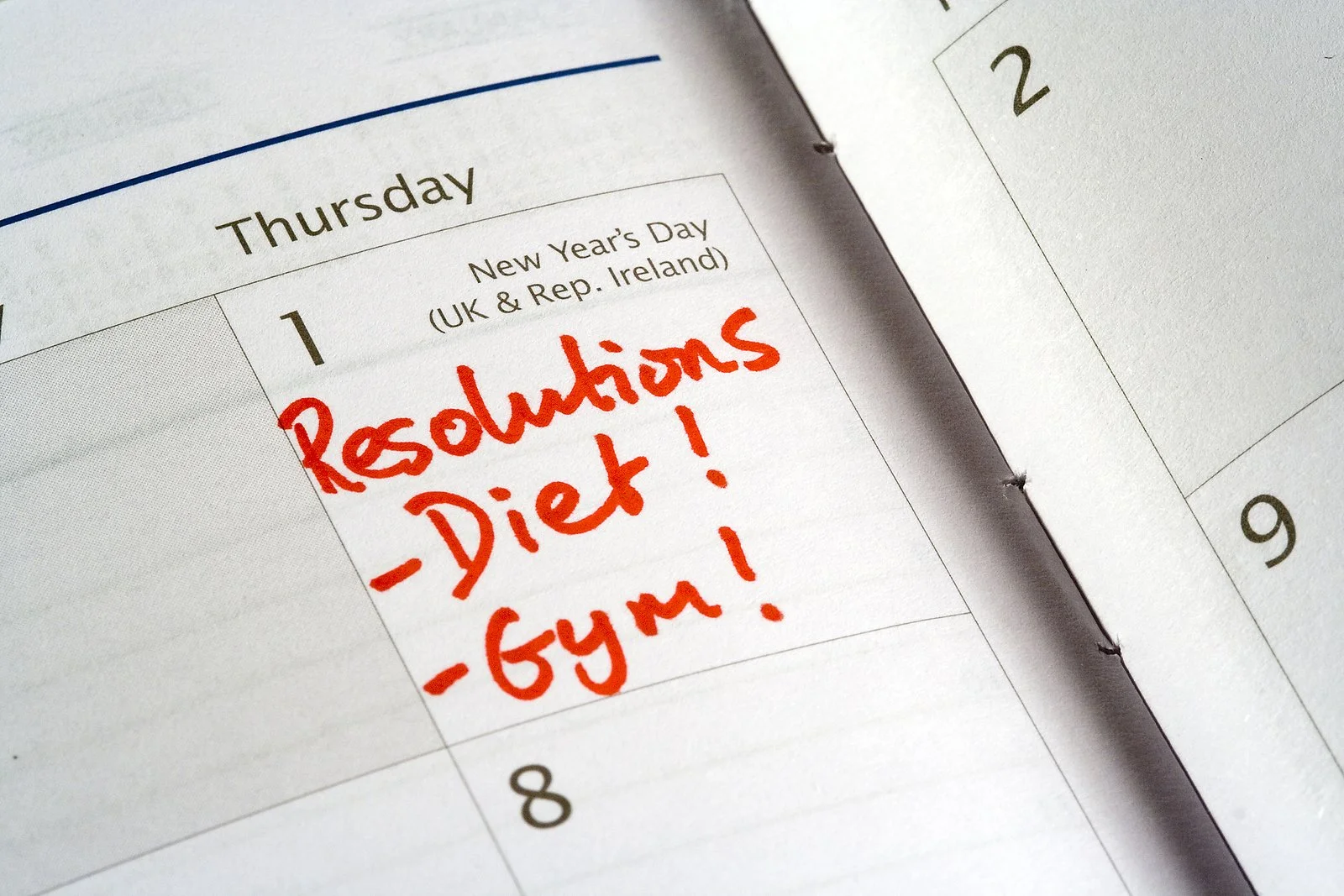
New Year's Resolutions: Why don't they work?
New year, new you! It’s time to plan a lifestyle overhaul! Or maybe not. After all, most New Year’s resolutions go out the window after January anyway. And setting goals for the new year doesn’t make you ‘better.’ You are 100% enough right now. But if you do want to strive for personal development, that’s great too. To find out how to set attainable goals, let’s look at why New Year’s resolutions often don’t work in the first place.

How Trauma Changes Your Relationship With the Holidays
For most, the holidays are a time for gathering with family and friends, a time of togetherness, traditions, and feelings of nostalgia. But what if they are not? What if you are someone who has experienced trauma? How might this change your relationship with the holidays?

Is Sugar Bad for You?
Sugar has been demonized in diet culture for the past several years, often being characterized with fear-mongering words like “toxic” or “poison”. Is sugar really as bad for you as you think?

Team Discussion of the Month: Tips for Navigating Eating Disorder Recovery During the Holidays
While being prompted to consider the effectiveness of your self-care or boundary-setting methods may feel trite, there are legitimate reasons to do so, especially when preparing to maneuver the holidays amidst eating disorder (ED) recovery.

Where Do Body Image Issues Come From?
Having a negative body image can increase the negative thoughts and feelings a person has about themselves and be a driving factor to change their bodies through risky disordered behaviors like dieting, excessive exercise, invasive medical procedures and purging.

Virtual EMDR Is Effective In Treating Eating Disorders
EMDR provided in a virtual therapeutic setting has the same empirically supported outcomes and treatment success just as it has in office over the past 30+ years.

Team Discussion of the Month: How Eating Disorders Affect the Family
While you are undoubtedly becoming the expert on how the eating disorder is impacting your family, you may not be aware of some additional complexities. Here is what to look out for . . .