


Eating Disorders
& Mental Health Blog
Schedule Your Free 15-Minute Consultation

Is Sugar Bad for You?
Sugar has been demonized in diet culture for the past several years, often being characterized with fear-mongering words like “toxic” or “poison”. Is sugar really as bad for you as you think?

Team Discussion of the Month: Tips for Navigating Eating Disorder Recovery During the Holidays
While being prompted to consider the effectiveness of your self-care or boundary-setting methods may feel trite, there are legitimate reasons to do so, especially when preparing to maneuver the holidays amidst eating disorder (ED) recovery.

Where Do Body Image Issues Come From?
Having a negative body image can increase the negative thoughts and feelings a person has about themselves and be a driving factor to change their bodies through risky disordered behaviors like dieting, excessive exercise, invasive medical procedures and purging.

Virtual EMDR Is Effective In Treating Eating Disorders
EMDR provided in a virtual therapeutic setting has the same empirically supported outcomes and treatment success just as it has in office over the past 30+ years.

Team Discussion of the Month: How Eating Disorders Affect the Family
While you are undoubtedly becoming the expert on how the eating disorder is impacting your family, you may not be aware of some additional complexities. Here is what to look out for . . .

Exploring The Benefits of Internal Family Systems (IFS)
Internal Family Systems is an evidence-based therapy, meaning that it is supported by scientific results. It was developed by Dr. Richard Schwartz, who discovered that his clients often spoke of themselves as having different ‘parts.’

Team Discussion Of The Month: Understanding the Harms of Weight Stigma
Weight stigma is discrimination based on weight and size. This stigma impacts how people with larger bodies are perceived and treated and causes psychological distress just like other forms of bias and discrimination.

The Power of Meal Support in Overcoming Disordered Eating
Are you ready to end your obsession with food and begin to trust your body again? There are so many reasons why people need support with food when they struggle with disordered eating or an eating disorder. Here are just a few.

How to Manage Recovery When Returning to School
You may have established a routine over the summer with set meal times and a consistent meal plan that will be hard to adjust once you return to school. Here are some tips for managing recovery when returning to school.

Gen Z: Growing Up on a Social Media Diet
With each new generation becoming more ‘online’ than the last, and the rise of new social media platforms, it’s not surprising that eating disorders continue to plague young people.
Substance Misuse: Weight Loss Drugs
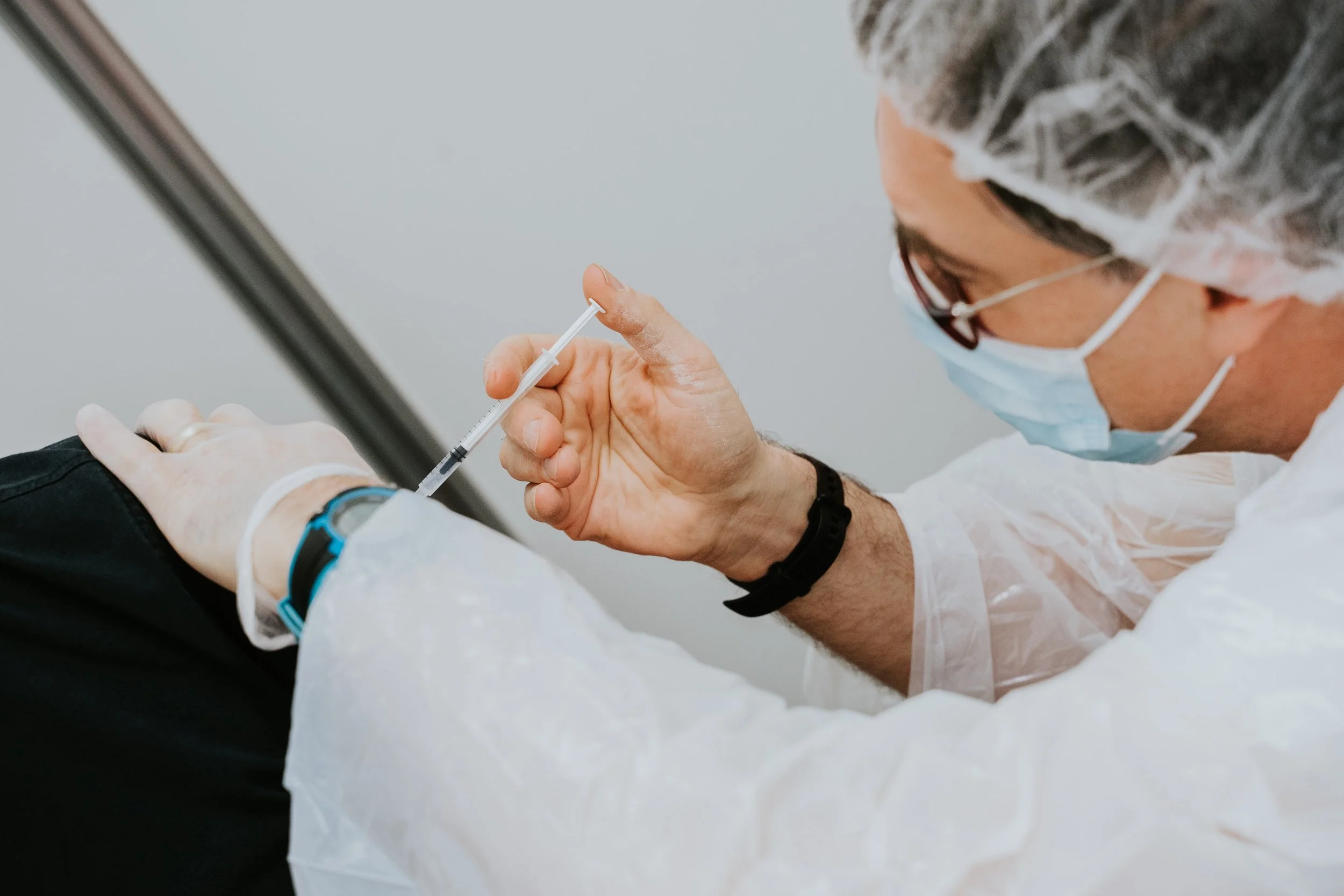
Ozempic is taking a backseat to new weight-loss drug medications that are stealing the spotlight.
In the next few years, there will be a variety of medications to help with diabetes that will be more cost-effective and, potentially, have fewer side effects. Is this good news? Unfortunately, this is a recipe for disaster in the eating disorder and mental health communities.

Team Discussion Of The Month: Medical Issues in Eating Disorder Treatment
The effects of an eating disorder (ED) are far-reaching and can adversely harm all bodily systems if left untreated. Because of the body’s interdependent systems, disordered eating behaviors can have a widespread effect. ED behaviors like restriction, binging, purging, and over-exercising can lead to malnourishment, and stress on the organs and the skeletal system.
Demystifying Body Image Issues
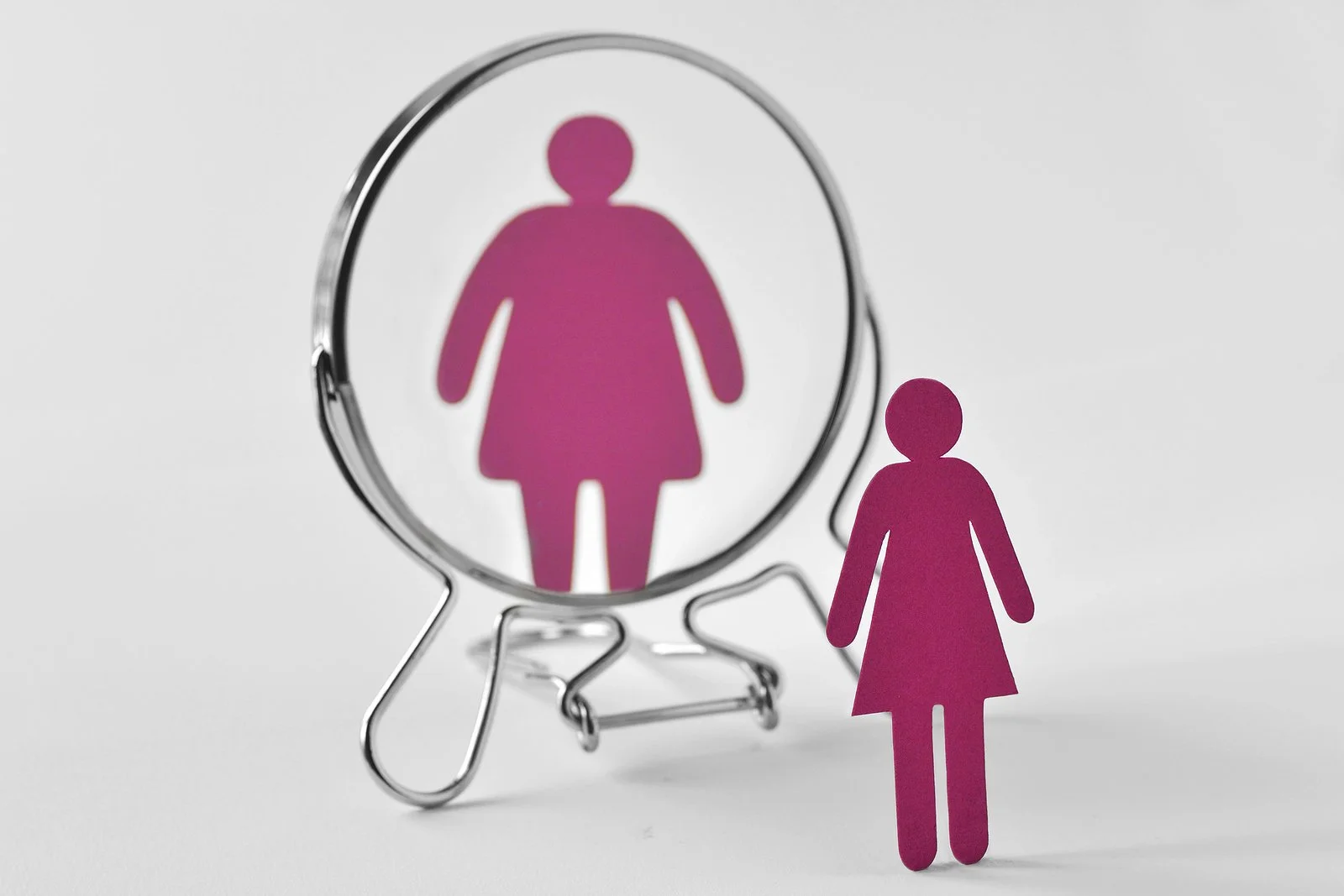
The way we perceive our bodies can impact how we think and feel about ourselves. Our body image may influence everything from the clothes we wear and the activities we do to the careers we pursue and the people we surround ourselves with. If we have a negative body image, our quality of life will suffer.

Understanding Post Traumatic Stress Disorder
Research has shown individuals with bulimia nervosa, binge eating disorder, or any binge eating have significantly higher rates of PTSD than individuals without an eating disorder.
Meet Jody Green, Eating Disorder Therapist for Athletes at Kindful Body
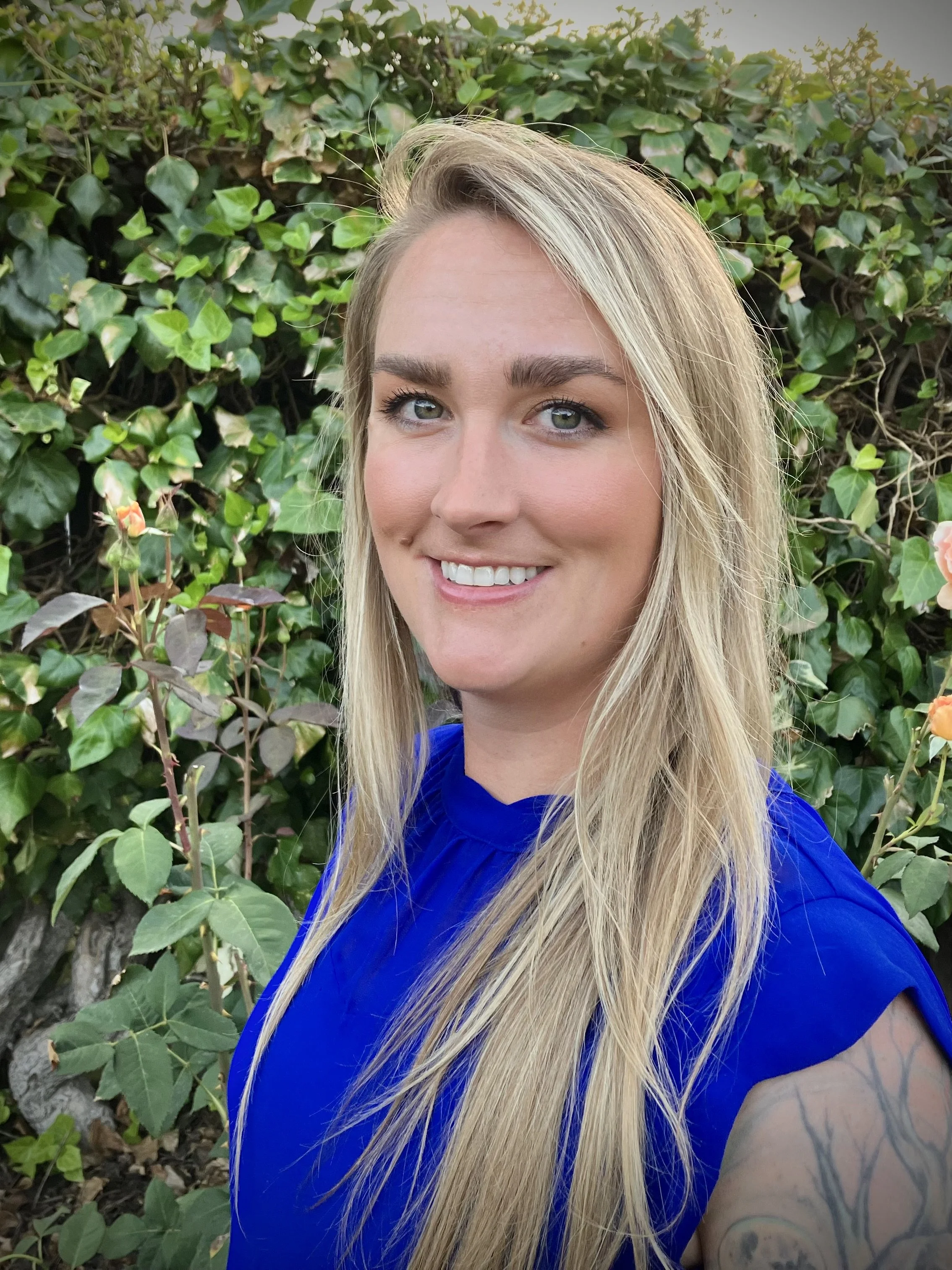
Get to know Jody Green in our recent Q and A interview! Jody specializes in EMDR, PTSD and Complex Trauma, Addiction Counseling, Anorexia, Bulimia, Binge Eating, Art Therapy.

Team Discussion: When Does Substance Use Need Treatment as Part of Eating Disorder Recovery?
Classes of substances that someone can become addicted to can include alcohol, caffeine, cannabis, hallucinogens, inhalants, opioids, sedatives, hypnotics, anxiolytics, stimulants, and tobacco.

Healing From Disordered Eating
The journey to healing from disordered eating is not linear and can be a deeply personal process.

Disordered Eating in the Queer Community: Self-Esteem Issues, Resources, Support
Queer people often struggle with bullying, discrimination, lack of support, body dissatisfaction, and isolation, making them a high risk for developing disordered eating or an eating disorder.
Team Discussion of The Month: Men and Eating Disorders: Toxic Masculinity
Toxic masculinity is burdening males to remain silent about their struggles and mask their distress.
How EMDR Therapy Can Help Eating Disorder Treatment
EMDR stands for Eye Movement Desensitization and Reprocessing. Unlike traditional therapy modalities, EMDR does not involve a whole lot of talking.